 Call Us : +917507354179 08037734778Call Us : +917507354179 08037734778


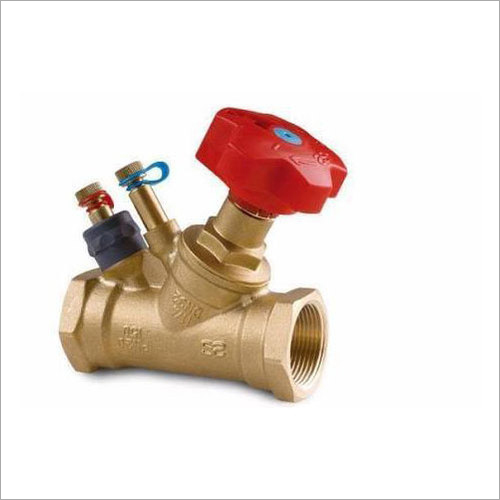
Pressure Independent Control Valve
10000 INR/Unit
Product Details:
- Structure Globe / Ball Type
- Usage Industrial
- Material Stainless Steel
- Power Manual / Pneumatic / Electric
- Pressure PN16 / PN25 / Up to 25 bar
- Media Water
- Product Type Pressure Independent Control Valve
- Click to View more
X
Pressure Independent Control Valve Price And Quantity
- 1 Unit
- 10000 INR/Unit
Pressure Independent Control Valve Product Specifications
- HVAC, Chilled Water, Hot Water Systems
- Industrial
- DN15 to DN150
- Globe / Ball Type
- PN16 / PN25 / Up to 25 bar
- Manual / Pneumatic / Electric
- -10C to 120C
- Pressure Independent Control Valve
- Polishing
- Water
- Stainless Steel
- Straight / Angle
- Pressure Independent
- Epoxy Powder Coated
- Flanged / Threaded / Welded
- Low Maintenance Design
- Linear / Equal Percentage
- Class IV or VI (according to IEC standards)
- Automatic / Manual Changeover
- Up to 1600 kPa
- Electric, Pneumatic, Manual
Pressure Independent Control Valve Trade Information
- 1 Unit Per Day
- 1 Days
- All India
Product Description
Pressure Independent Control Valve refers to a valve that is used for abbreviations to the letters PICV. These are a type of valve found in hydronic systems, which provide heating and cooling in buildings. Pressure Independent Control Valve is basically a number of different valves conveniently combined into one unit.
Product details
|
Diameter |
15-150 mm |
|
Frequency |
50/60 Hz |
|
Pressure |
PN16 |
|
Material |
Brass / Cast Iron |
|
Voltage (V) |
240 |
|
Valve Size |
15 Mm - 150 Mm |
|
Brand |
Belimo |
|
Usage/Application |
Water |
Reliable Performance in Demanding Conditions
Built for industrial environments, this Pressure Independent Control Valve operates effectively under pressures up to 25 bar and temperatures from -10C to 120C. Its robust stainless steel body and epoxy-coated finish resist corrosion, while the globe or ball type structure ensures consistent control and minimal leakage, maintaining efficiency in both chilled and hot water systems.
Versatile Connection and Actuation Options
The valve is designed with multiple connection types-flanged, threaded, and welded-to accommodate various installation needs. It supports actuation by electric, pneumatic, or manual systems, enabling seamless integration into automated or manually controlled processes. Its DN15 to DN150 port sizes and straight or angle shapes further enhance flexibility for diverse system architectures.
Efficient and Low-Maintenance Operation
Engineered for low maintenance, the valve's pressure independent operation reduces the need for frequent adjustments and service. Its precision construction, high-quality materials, and polished surface enhance durability and operational longevity, making it an excellent choice for critical industrial applications in India and beyond.
FAQ's of Pressure Independent Control Valve:
Q: How does a pressure independent control valve improve water system performance?
A: A pressure independent control valve maintains a consistent flow rate regardless of pressure changes in the system, ensuring stable temperature control and reducing energy consumption in HVAC, chilled water, and hot water applications.Q: What actuator types are compatible with this valve, and how are they selected?
A: This valve is compatible with electric, pneumatic, and manual actuators, allowing you to choose the appropriate actuation method based on system automation requirements and reliability preferences.Q: When should I opt for Class IV or Class VI leakage rates for my system?
A: Choose Class IV (tight shut-off) for standard applications requiring minimal leakage, or Class VI (bubble-tight) when the highest leakage control is mandatory, such as in sensitive or critical process environments, following IEC standards.Q: Where can this valve be used within industrial facilities?
A: It is ideal for integration in HVAC systems, process cooling, and hot water circuits in commercial buildings or industrial plants, especially where precise water flow and temperature regulation are essential.Q: What is the installation process for the different connection types?
A: For flanged ends, bolt the valve to the adjoining pipe flanges; for threaded ends, securely screw onto matching threads; for welded ends, correctly weld to pipework. Proper sealing and compliance with relevant standards are essential for each method.Q: How does the automatic/manual changeover mode benefit maintenance and operation?
A: This feature allows operators to switch between automated and manual control, providing flexibility for scheduled maintenance, calibration, or operation during power outages, ensuring uninterrupted system performance.Tell us about your requirement

Price:
Quantity
Select Unit
- 50
- 100
- 200
- 250
- 500
- 1000+
Additional detail
Mobile number
Email

Other Products in 'Industrial Valve' category



Address
CUBIX ENGINEERS
GST : 27BDBPA4107R1ZK
GST : 27BDBPA4107R1ZK
- S No. 5/2/2/3, First Floor, Thorat Residency, Narhe Road, Ambegaon BK, Pune - 411041, Maharashtra, India
- Phone :08037734778
-
 Send Inquiry
 Send Inquiry

 Send Inquiry
 Call Me Free
 |
CUBIX ENGINEERS
All Rights Reserved.(Terms of Use) Developed and Managed by Infocom Network Private Limited. |
