 Call Us : +917507354179 08037734778Call Us : +917507354179 08037734778


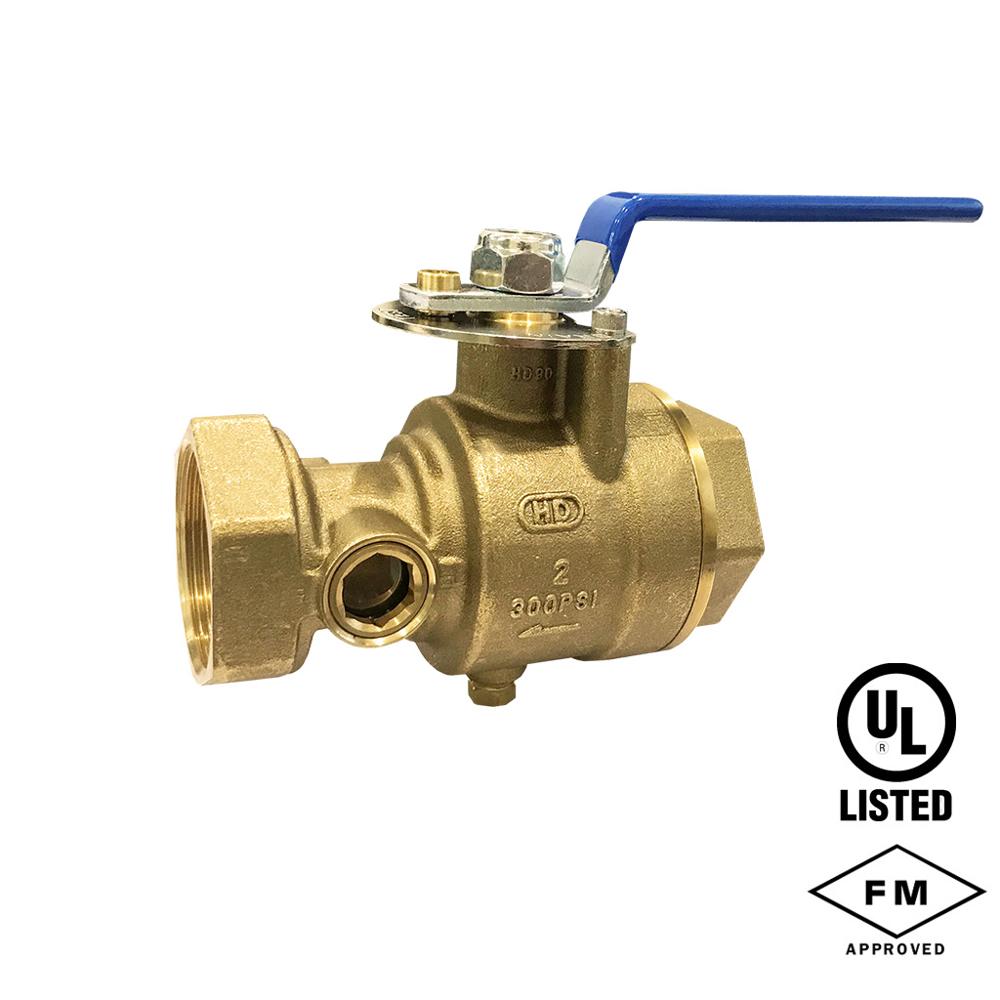
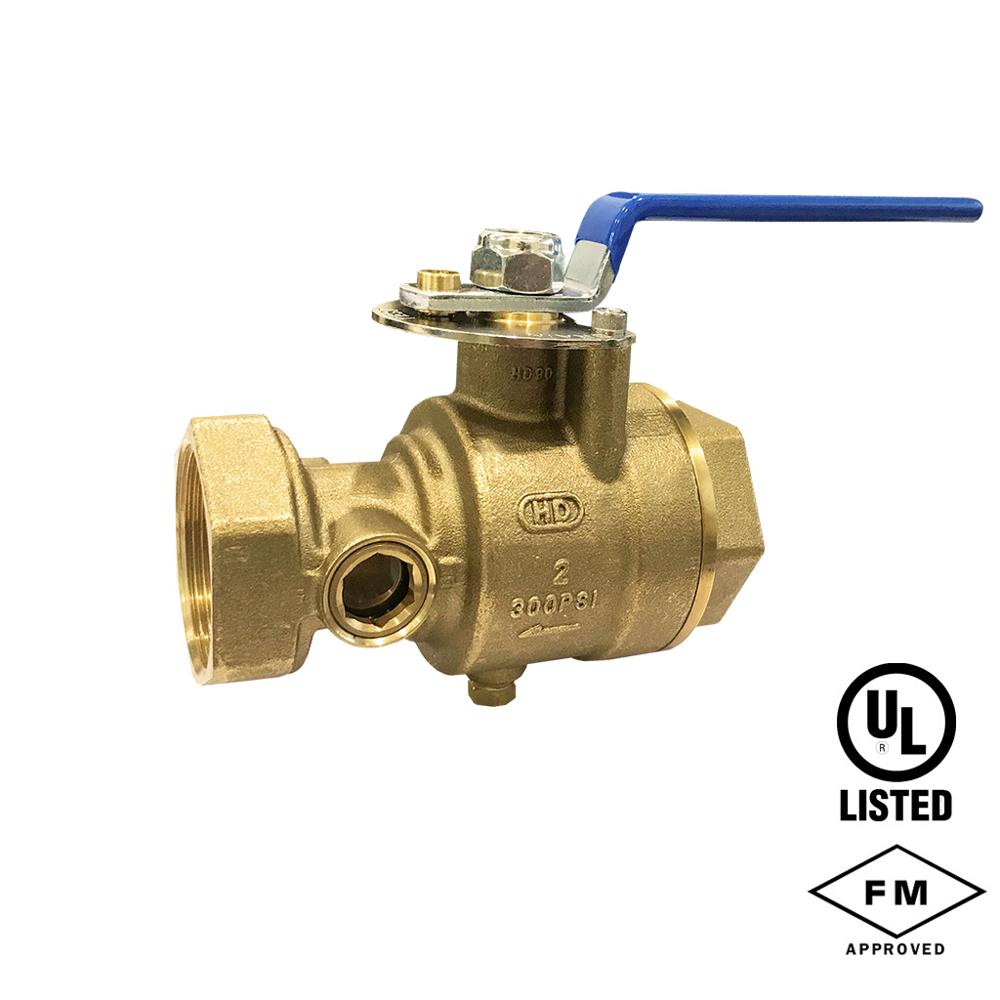
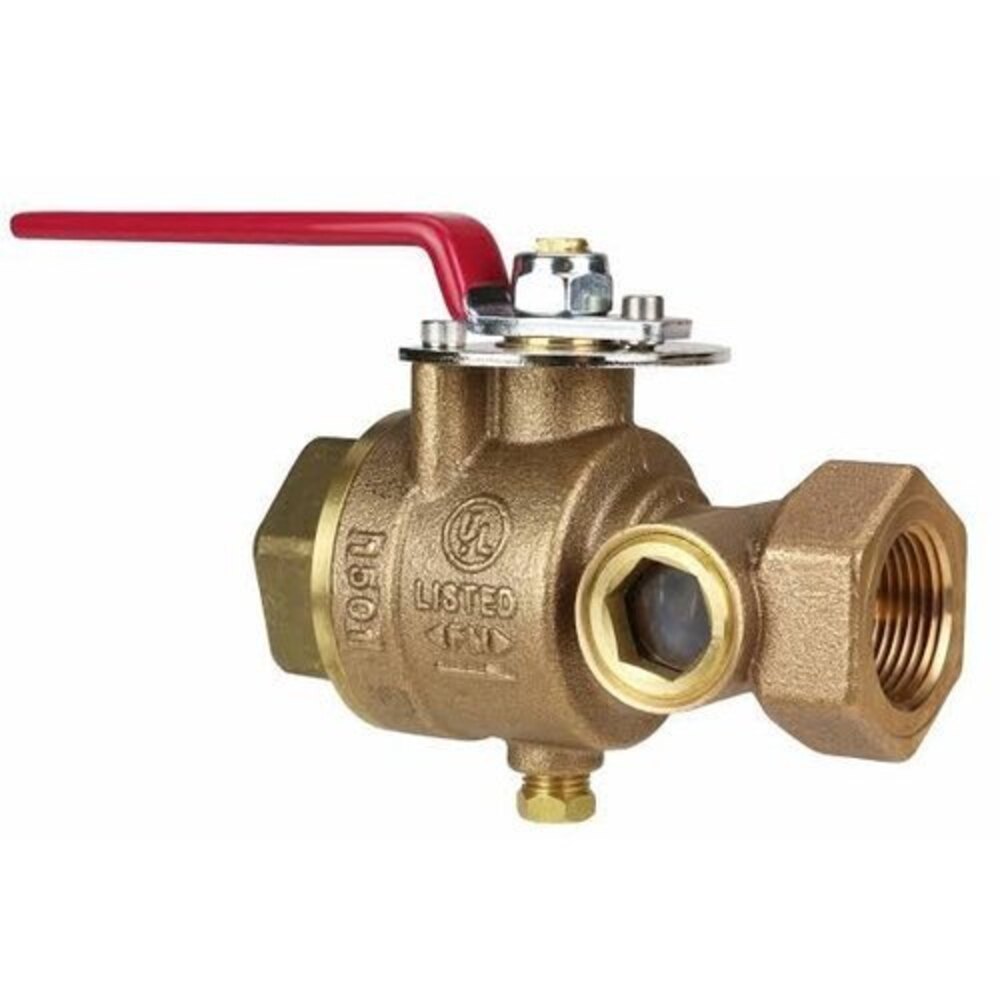
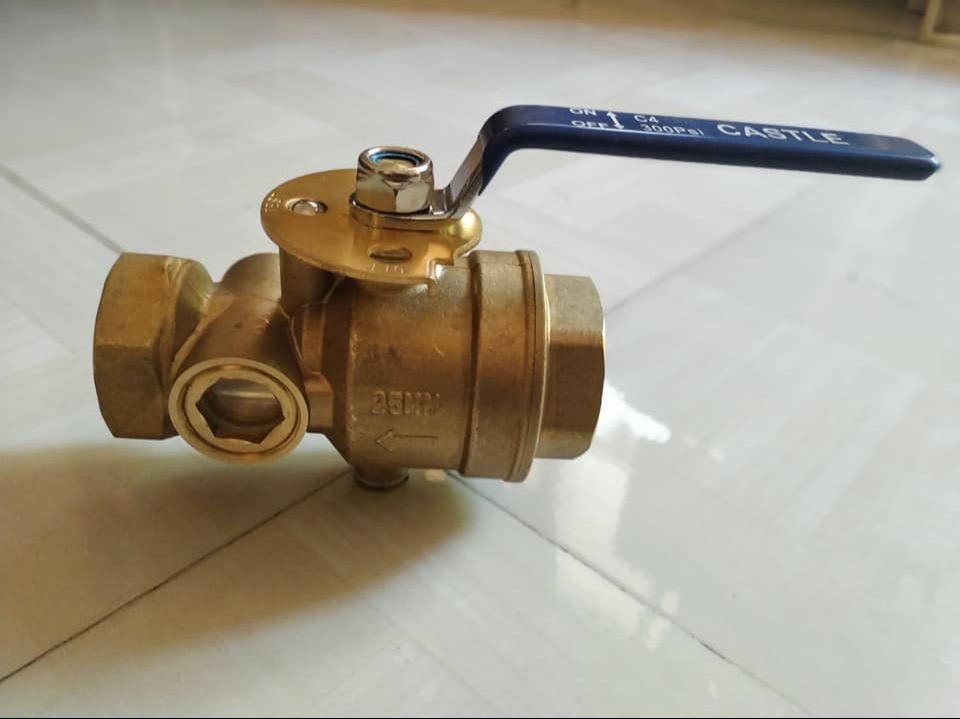
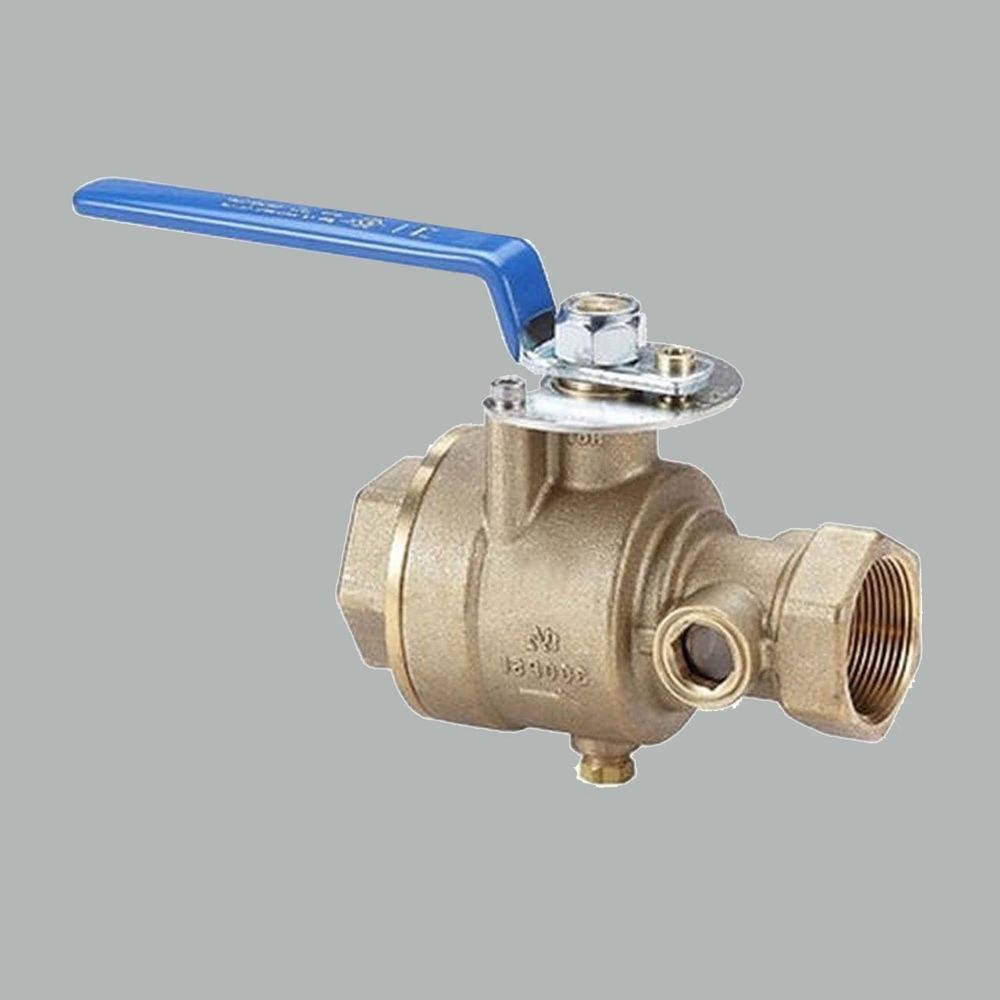
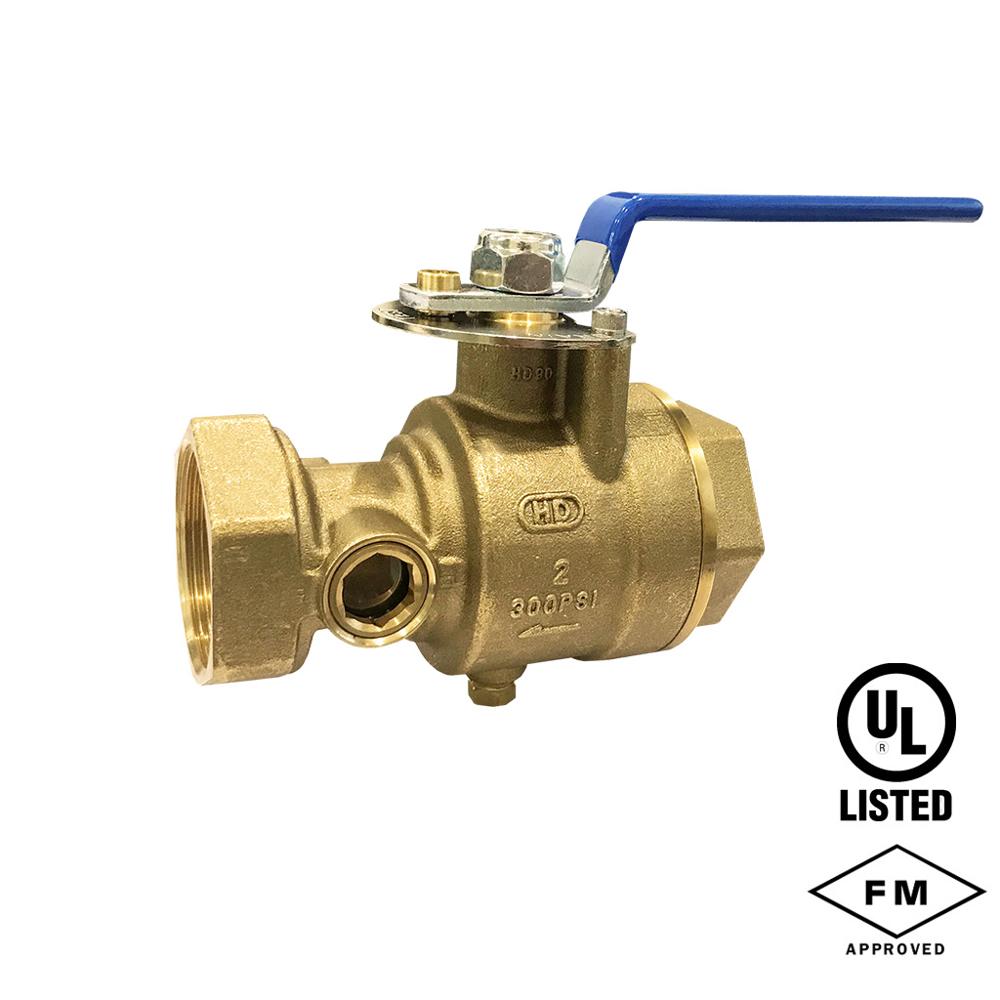
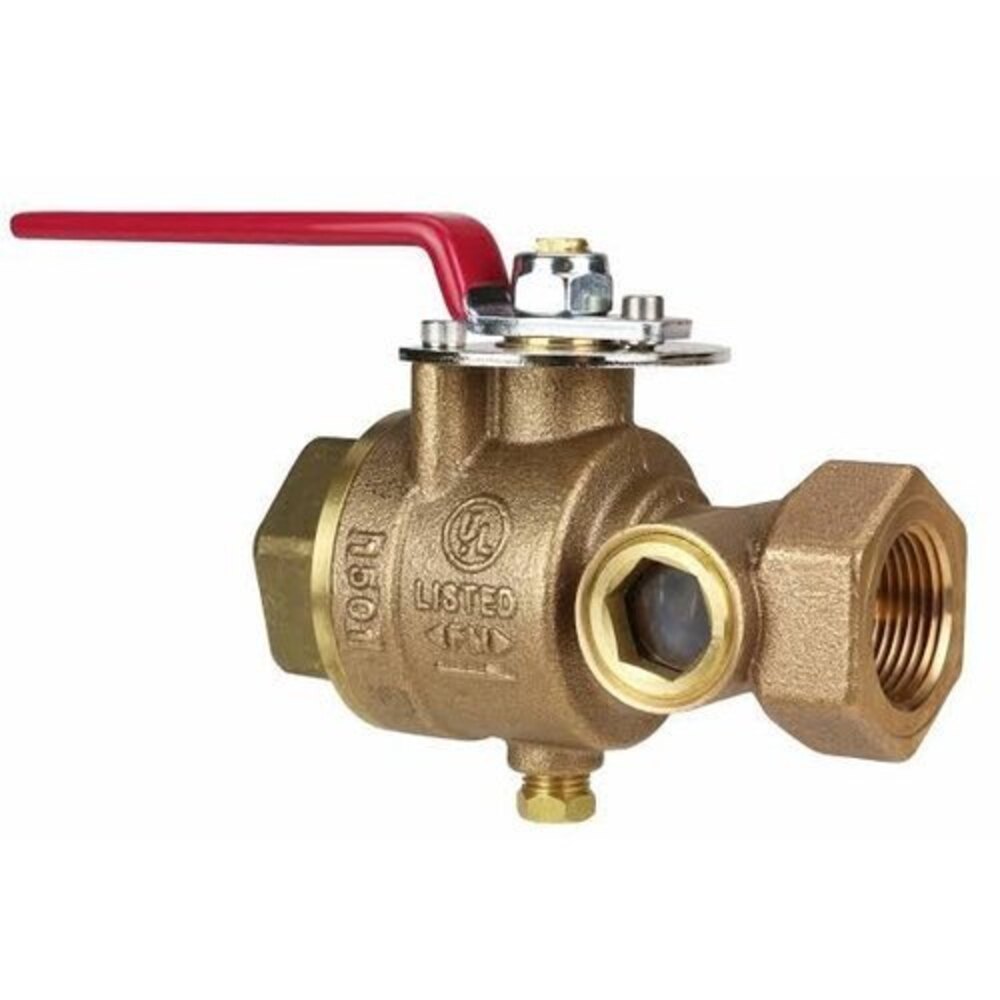
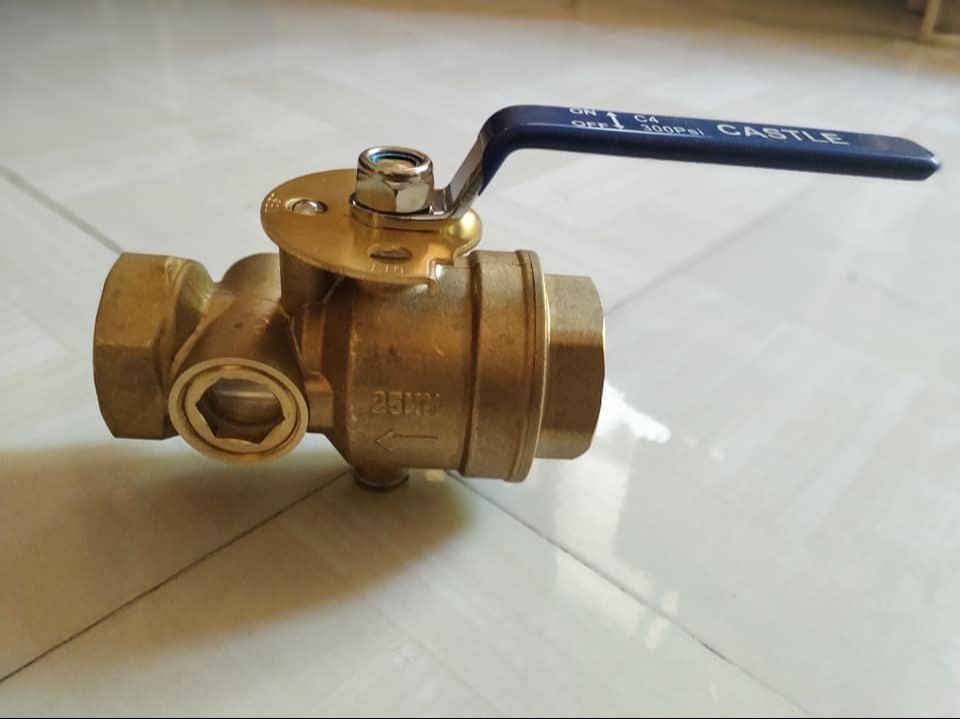
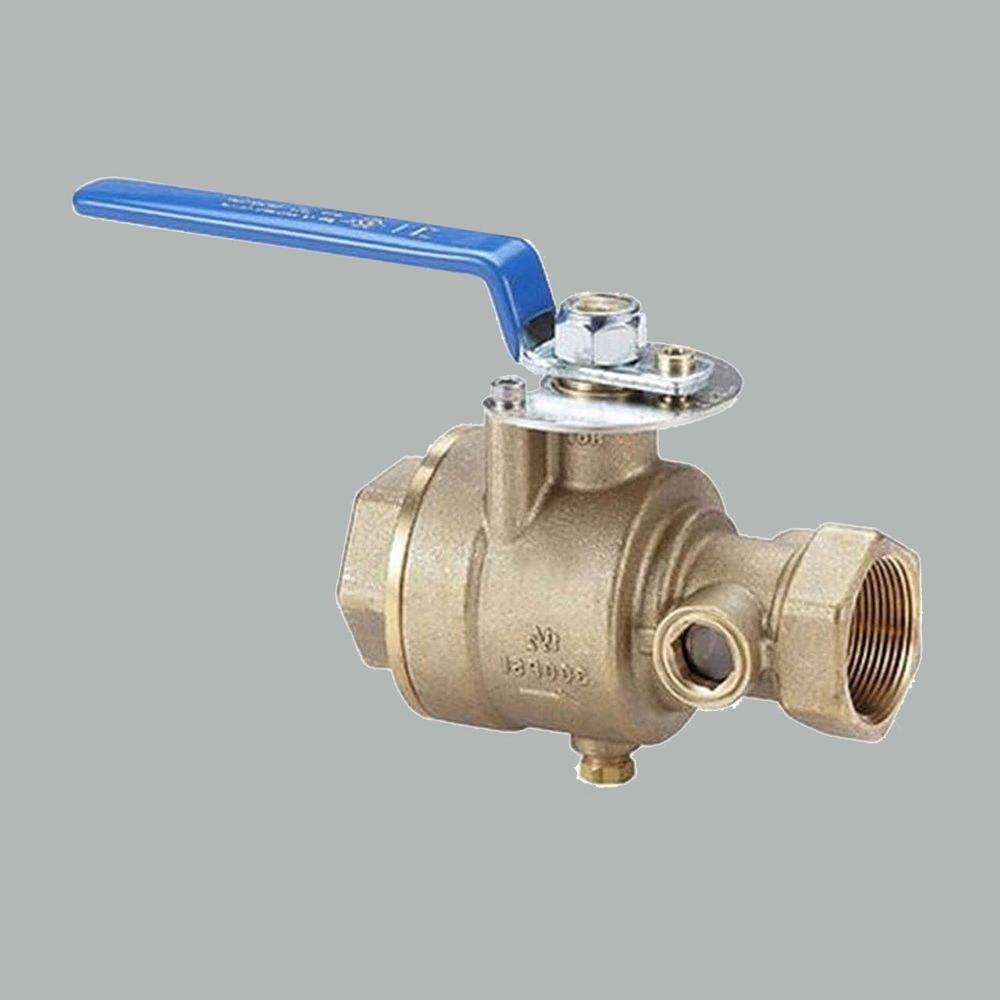
Test And Drain Valve
6500.0 INR/Unit
Product Details:
- Structure Ball
- Usage Industrial
- Material Stainless Steel
- Size 25
- Height 50 Millimeter (mm)
- Media Water
- Product Type Test And Drain Valve
- Click to View more
X
Test And Drain Valve Price And Quantity
- 6500.0 INR/Unit
- 1 Unit
Test And Drain Valve Product Specifications
- Ball
- 25
- Water
- 50 Millimeter (mm)
- FIREFIGHTING,PLUMBING
- 50 Millimeter (mm)
- 50 Millimeter (mm)
- Test And Drain Valve
- 5 Kilograms (kg)
- chrome Plating
- 25
- Brass Golden
- Industrial
- Stainless Steel
- Ball Type
Test And Drain Valve Trade Information
- Cash Advance (CA)
- 10 Unit Per Day
- 1 Days
- All India
Product Description
Product details
|
Material |
Brass body |
|
Valve Size |
25 Mm & 50 Mm |
|
Pressure |
Medium Pressure |
|
Brand |
Castle / Giacomini |
|
Usage/Application |
Water |
|
Model Name/Number |
Test and Drain valve |
|
Size |
25 mm & 50 mm |
Superior Design and Material Quality
The ball-type structure ensures smooth operation and minimal leakage. Made from stainless steel with a sleek chrome-plated surface, this valve is resistant to rust and wear, which extends its operational life. The brass golden finish further adds to its aesthetic and functional appeal in both firefighting and plumbing installations.
Engineered for Versatility and Performance
With a compact design measuring 50 mm in width, height, and length, and a port size of 25 mm, this valve is suitable for a wide range of industrial applications. Its sturdy build and compatibility with water media make it a dependable choice for critical systems, ensuring efficient and safe operation.
FAQ's of Test And Drain Valve:
Q: How is the Test and Drain Valve installed in firefighting and plumbing systems?
A: The valve is typically installed at specific test points in firefighting or plumbing lines using standard 25 mm port connections. It must be securely fitted to ensure proper function and safety.Q: What are the main benefits of using a ball-type Test and Drain Valve?
A: Ball-type valves offer reliable, leak-free operation and easy maintenance. The robust stainless steel construction ensures durability, making them ideal for industrial applications involving water.Q: When should I use this valve in my system?
A: This valve is essential whenever periodic system testing and drainage are required, such as during maintenance or inspection of firefighting and plumbing systems.Q: Where is this valve commonly used?
A: The valve is widely used in industrial environments across India, particularly in plumbing networks and firefighting systems where testing and drainage capabilities are needed.Q: What is the process for operating this Test and Drain Valve?
A: To operate, you turn the handle to open the ball mechanism, allowing water to flow for testing or drainage. Closing the handle stops the flow, ensuring secure system control.Q: How does the valve contribute to system safety and maintenance?
A: By enabling controlled testing and draining, the valve helps verify system readiness and simplifies maintenance, reducing downtime and enhancing overall safety.Tell us about your requirement

Price:
Quantity
Select Unit
- 50
- 100
- 200
- 250
- 500
- 1000+
Additional detail
Mobile number
Email

Other Products in 'Industrial Valve' category


Address
CUBIX ENGINEERS
GST : 27BDBPA4107R1ZK
GST : 27BDBPA4107R1ZK
- S No. 5/2/2/3, First Floor, Thorat Residency, Narhe Road, Ambegaon BK, Pune - 411041, Maharashtra, India
- Phone :08037734778
-
 Send Inquiry
 Send Inquiry

 Send Inquiry
 Call Me Free
 |
CUBIX ENGINEERS
All Rights Reserved.(Terms of Use) Developed and Managed by Infocom Network Private Limited. |
